Figure 1 from The Consequences of Chromosome Segregation Errors in Biology Diagrams Explore the mitotic spindle's role in cell division, from its assembly to regulation, and how its precise function ensures accurate chromosome segregation.

The act of mitosis has captured the hearts of cytologists for more than a century now. The assembly of a perfectly shaped bipolar spindle, the seemingly erratic movements of chromosomes attempting to align, and the abrupt, coordinated segregation of chromatids at anaphase continue to enchant us. For over a century, scientists have strived to understand the mechanisms that govern the accurate segregation of chromosomes during mitosis. The most intriguing feature of this process, which is

Mitotic Spindle: The Intricate Machinery of Cell Division Biology Diagrams
Mitosis is the process by which a eukaryotic cell divides to produce two daughter cells that each contain the same number of chromosomes as the parent cell. Chromosome segregation—the partitioning of genetic material into two daughter cells—is one of the most crucial processes in cell division. In all Eukaryotes, chromosome segregation is driven by the spindle, a microtubule-based, self-organizing
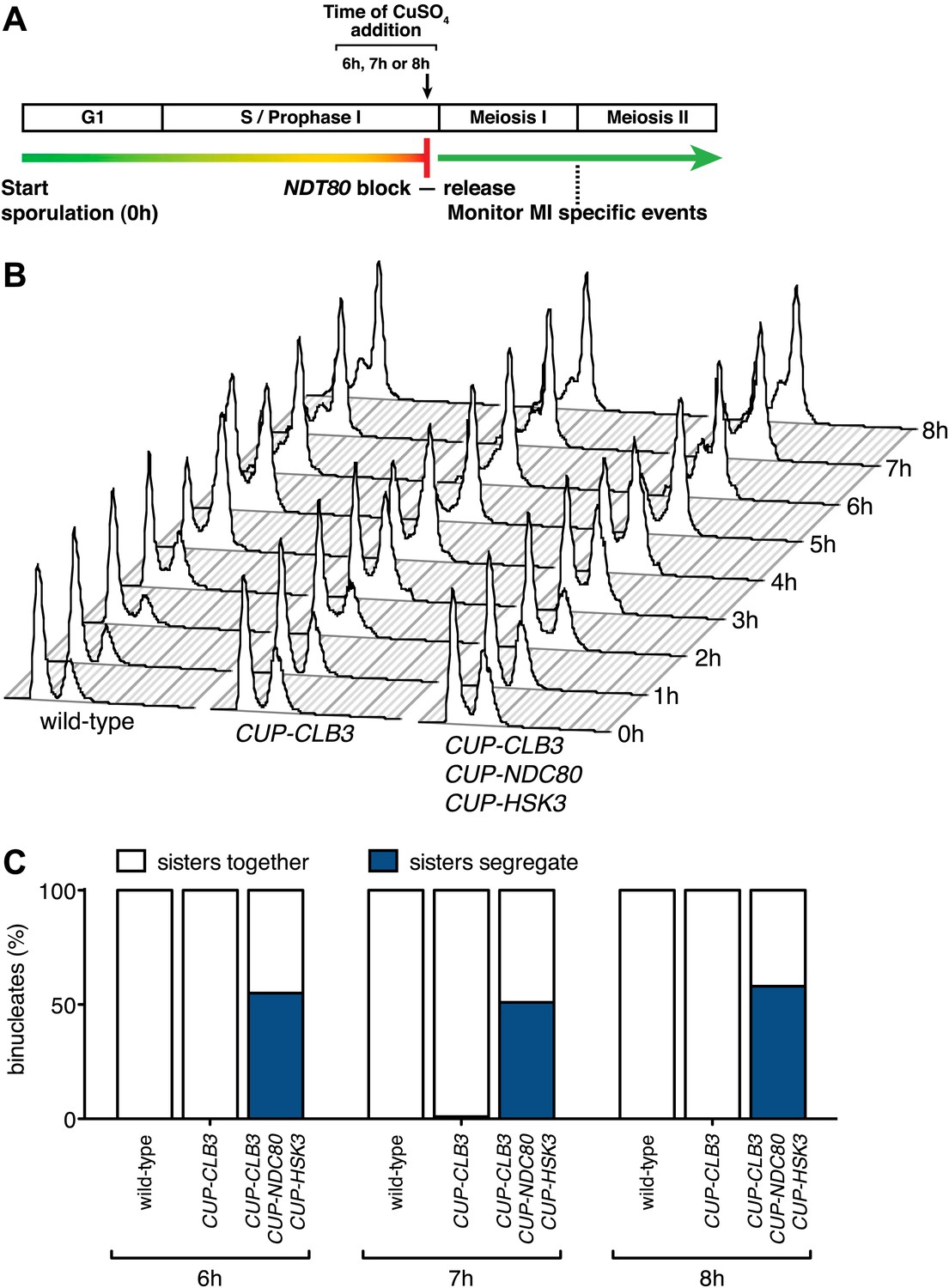
The compaction of chromatin to form the recognizable mitotic chromosome structures would serve little value until the evolution of the machinery for facilitating mitotic segregation. And yet, it is essential for mitotic division to proceed — that is, the process of chromosome condensation resides within an irreducibly complex system. Chromosomes must be reliably and uniformly segregated into daughter cells during mitotic cell division. Fidelity of chromosomal segregation is controlled by multiple mechanisms that include the Spindle Assembly Checkpoint (SAC). The SAC is part of a
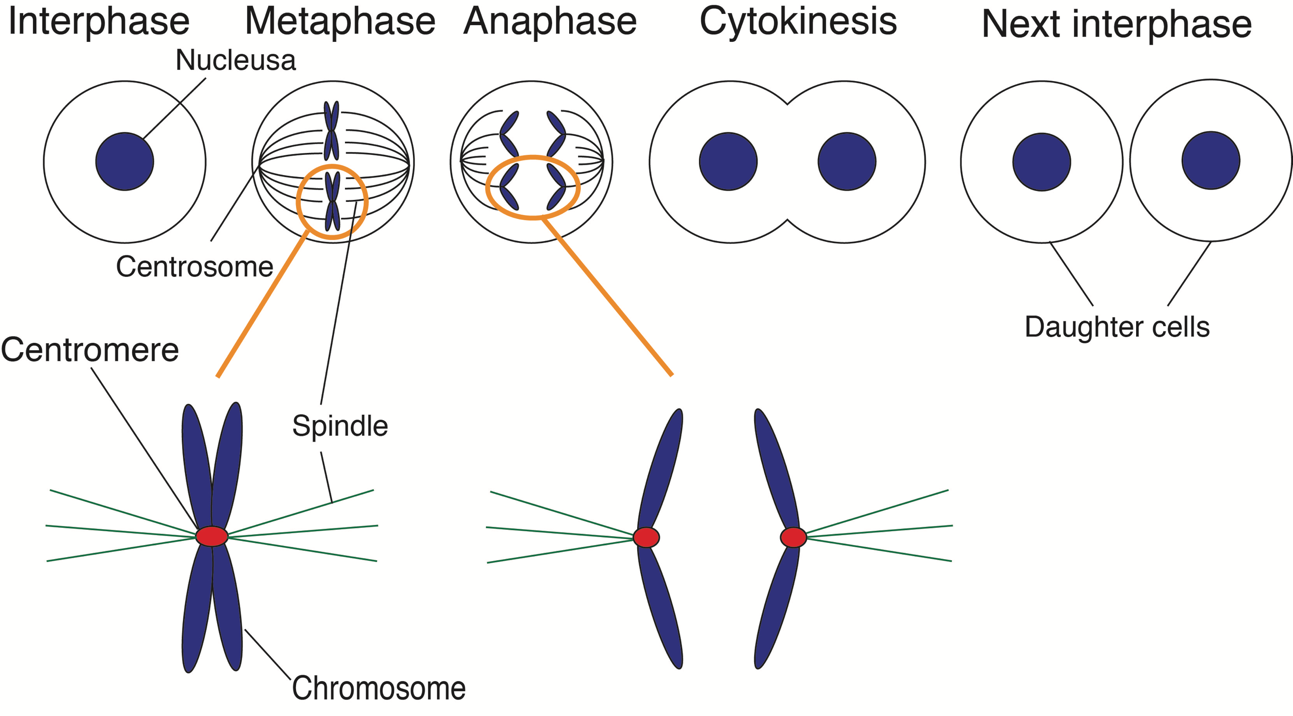
Live Cell Imaging of Chromosome Segregation During Mitosis Biology Diagrams
A repulsive surface layer on mitotic chromosomes promotes their individualisation and independent motility after nuclear envelope breakdown, to facilitate segregation by the mitotic spindle. Chromosome segregation is an extremely complex process that occurs on a microtubule-based scaffold called the mitotic spindle (Gadde and Heald, 2004). Microtubules, produced from the spindle poles, capture duplicated chromosomes such that each member of a pair of sister chromatids is attached to opposite poles, i.e. amphitelic attachment.
